Enterprise Design System Migration: Building Foundation for Scale

How we enabled a major insurance provider to reduce custom development by 94%, establish scalable design governance, and empower cross-agency collaboration across 16 products.
Overview
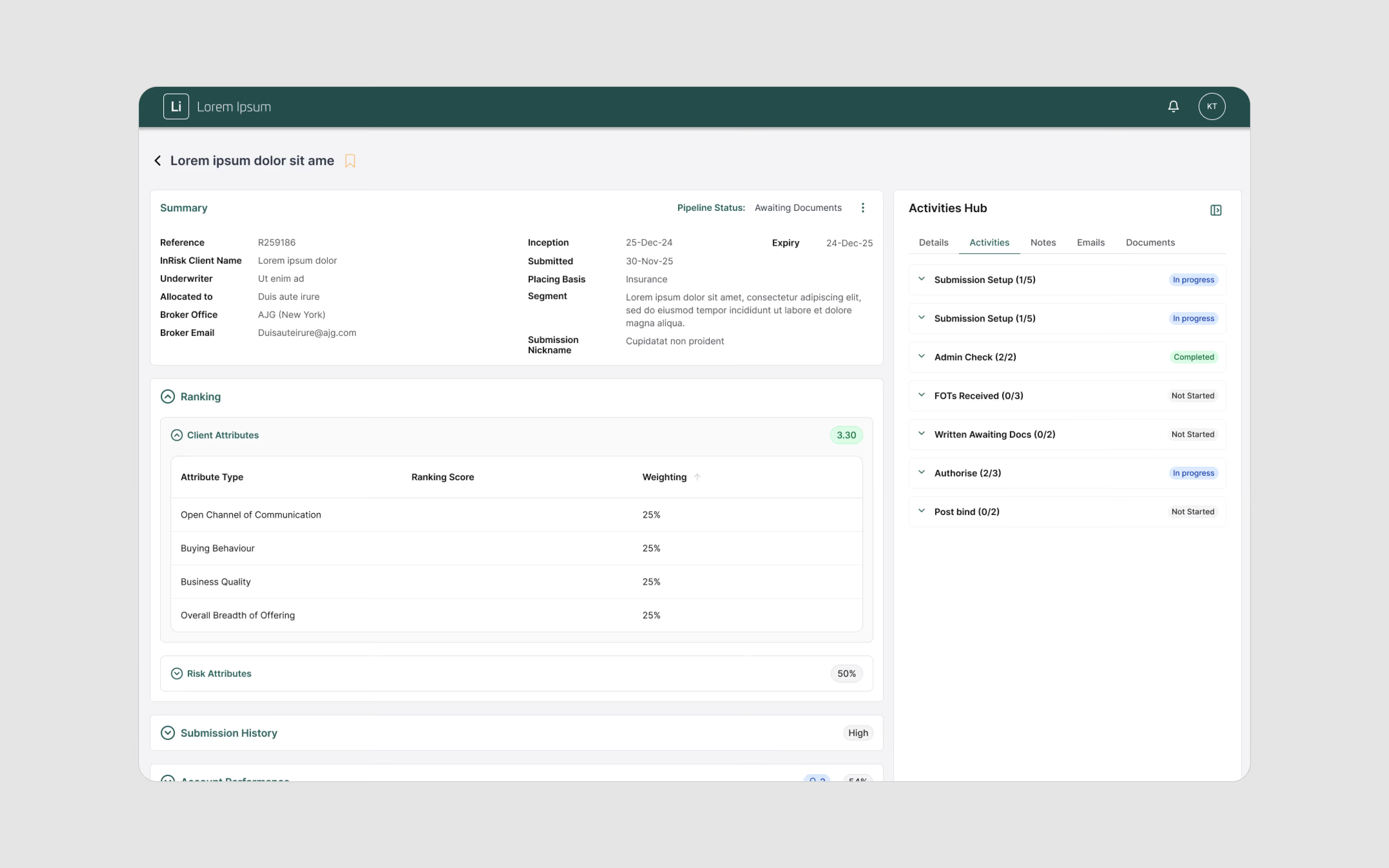
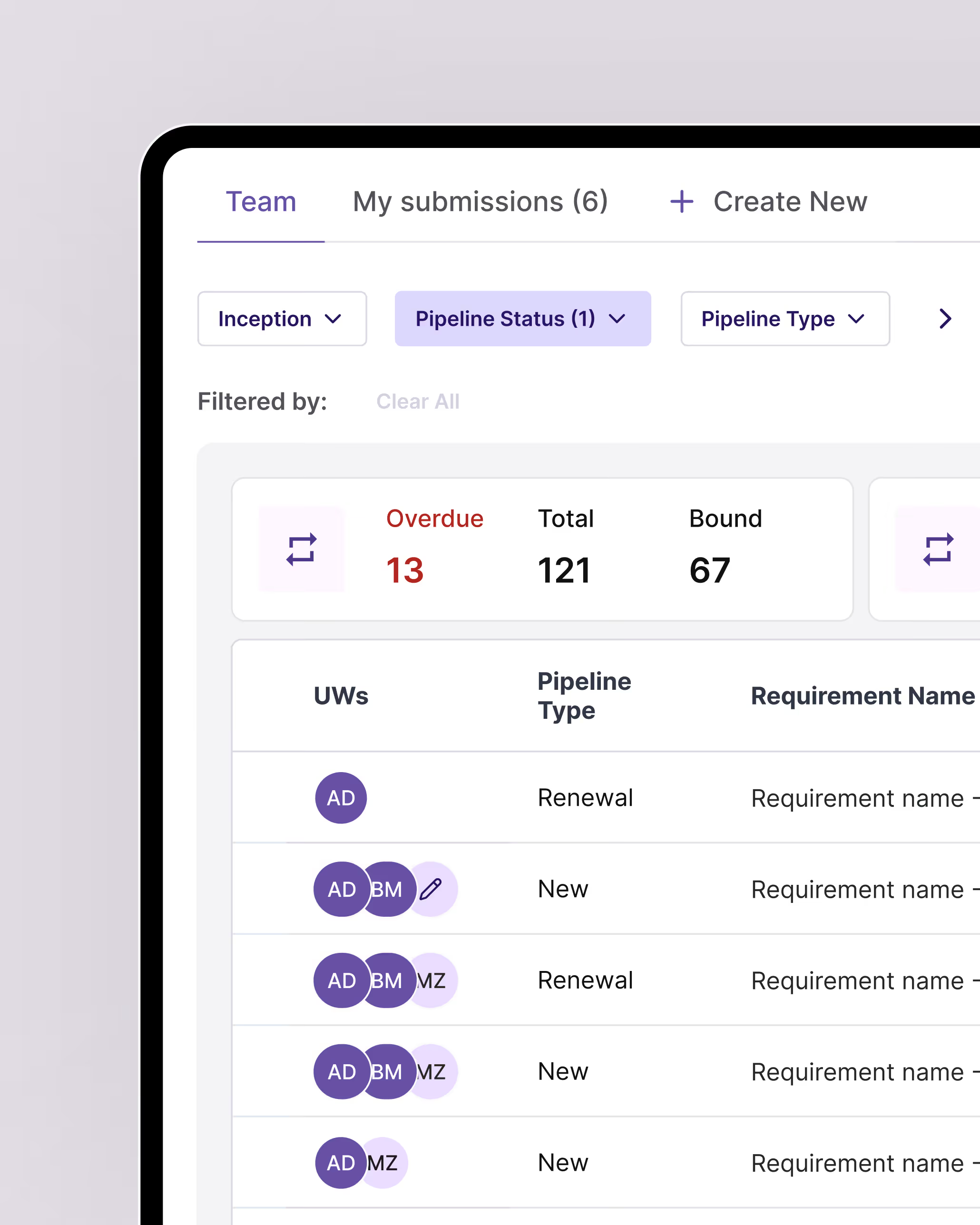
Our team designed and iterated an enterprise application to help users streamline works, proactively manage transactions, enhance underwriting decision-making and greater collaboration across systems.
Impacts:
50
Production-ready components with comprehensive documentation
94%
Reduction in custom component development
10
Designers across 3 agencies aligned and collaborative
8
Products migrated or in-progress within engagement period
Sustainable operations
Client equipped for independent scaling post-engagement
Challenges
An Insurance company operated 16+ products built by multiple contractors with significant operational challenges:
83% of design work required custom components due to system limitations of the existing design system
Three independent agencies working in silos with inconsistent standards
Fragmented user experience across product portfolio
No governance framework for quality control or evolution
Minimal collaboration - designers skipping alignment meetings
The Opportunity
The business needed guidance and tools to empower their design team to deliver easy-to-use product effectively while maintaining a consistent brand identity and seamless experience across the portfolio.
How might we use a design workbench as the foundation for a scalable design system, while orchestrating the migration of 16 products and aligning three agencies under a sustainable governance model?
Our Approach
We designed a four-phase approach balancing technical delivery with organisational transformation.

01
Cue the Design System 2.0
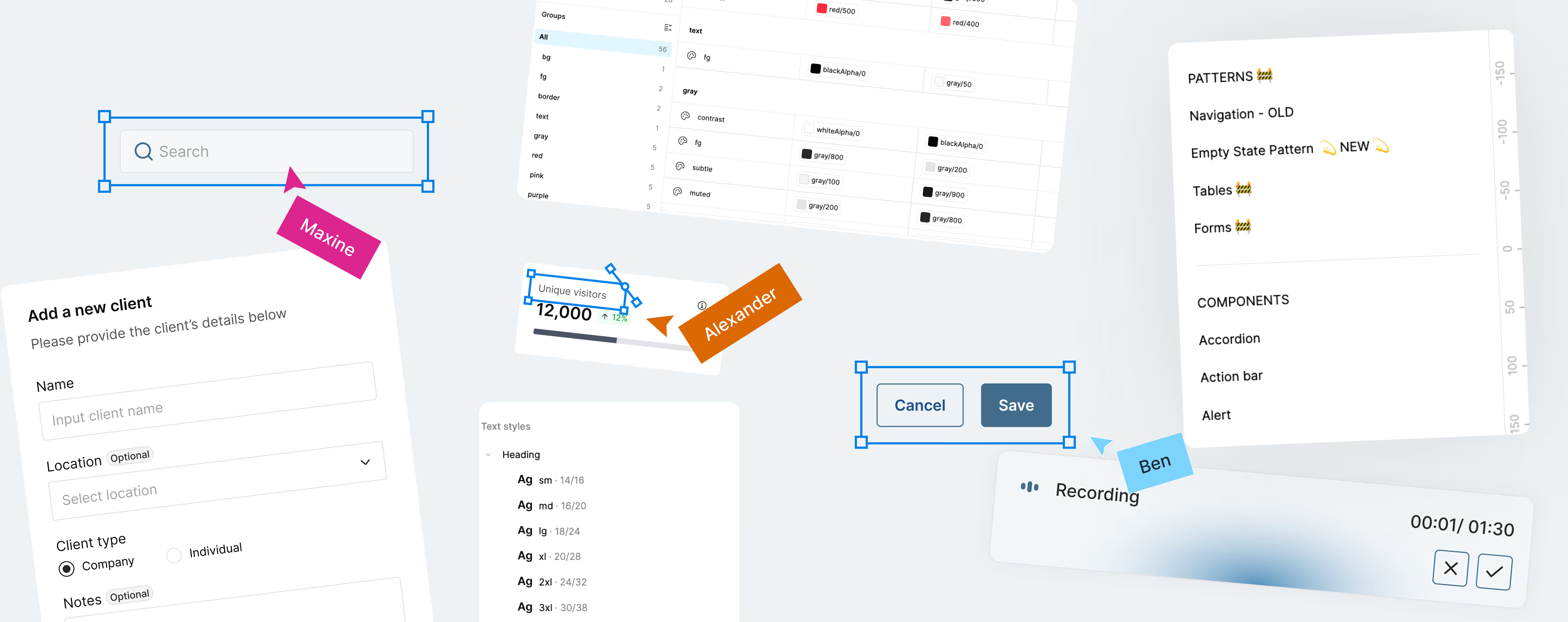
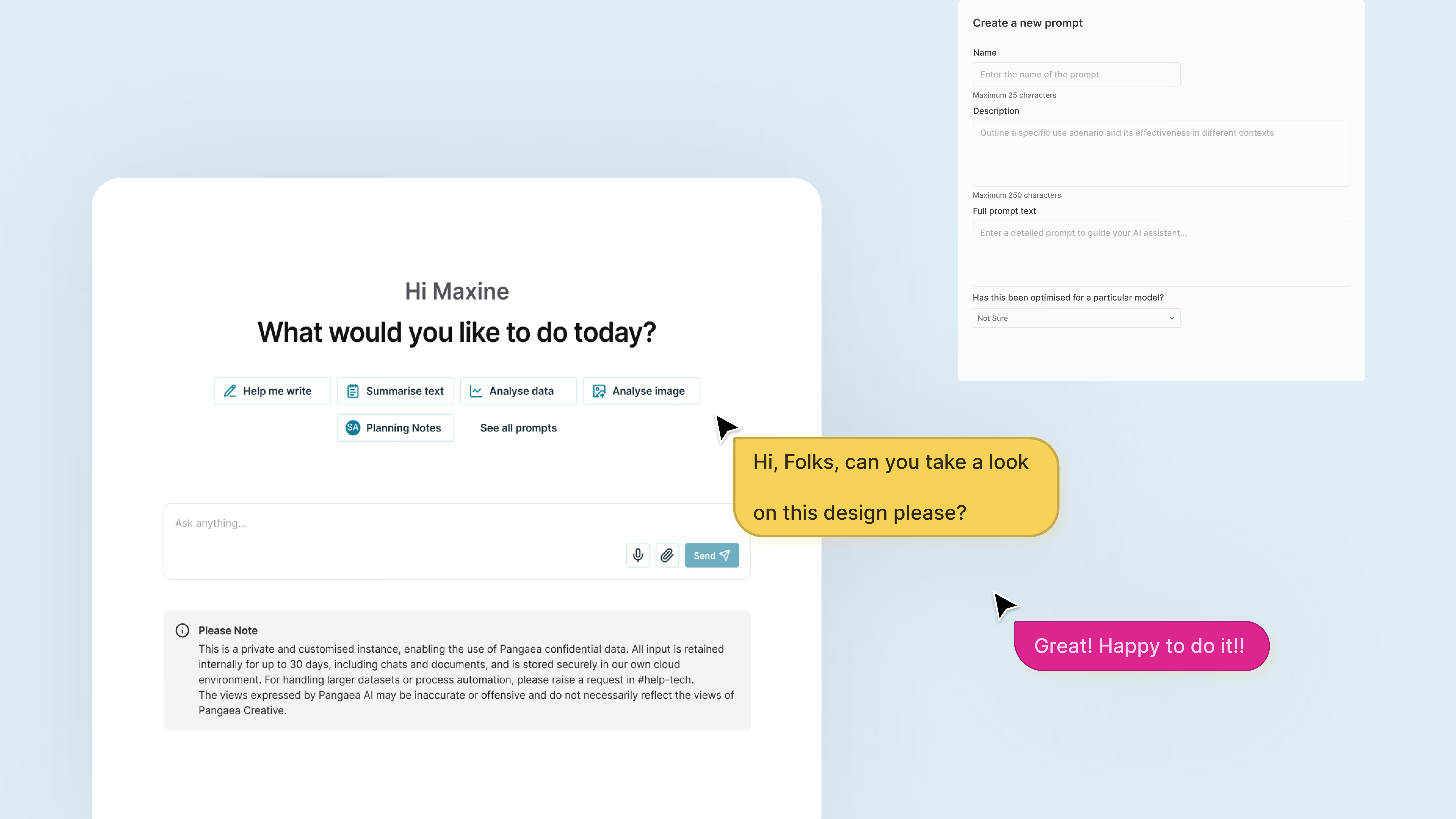
In order to maximise efficiency, we decided to leverage the existing design system, update existing components and patterns with the new brand guidances, and added supplementary components that are frequently used to the Design System 2.0.All assets, documentation, and guidelines live in one place on Confluence, accessible to everyone from day one.
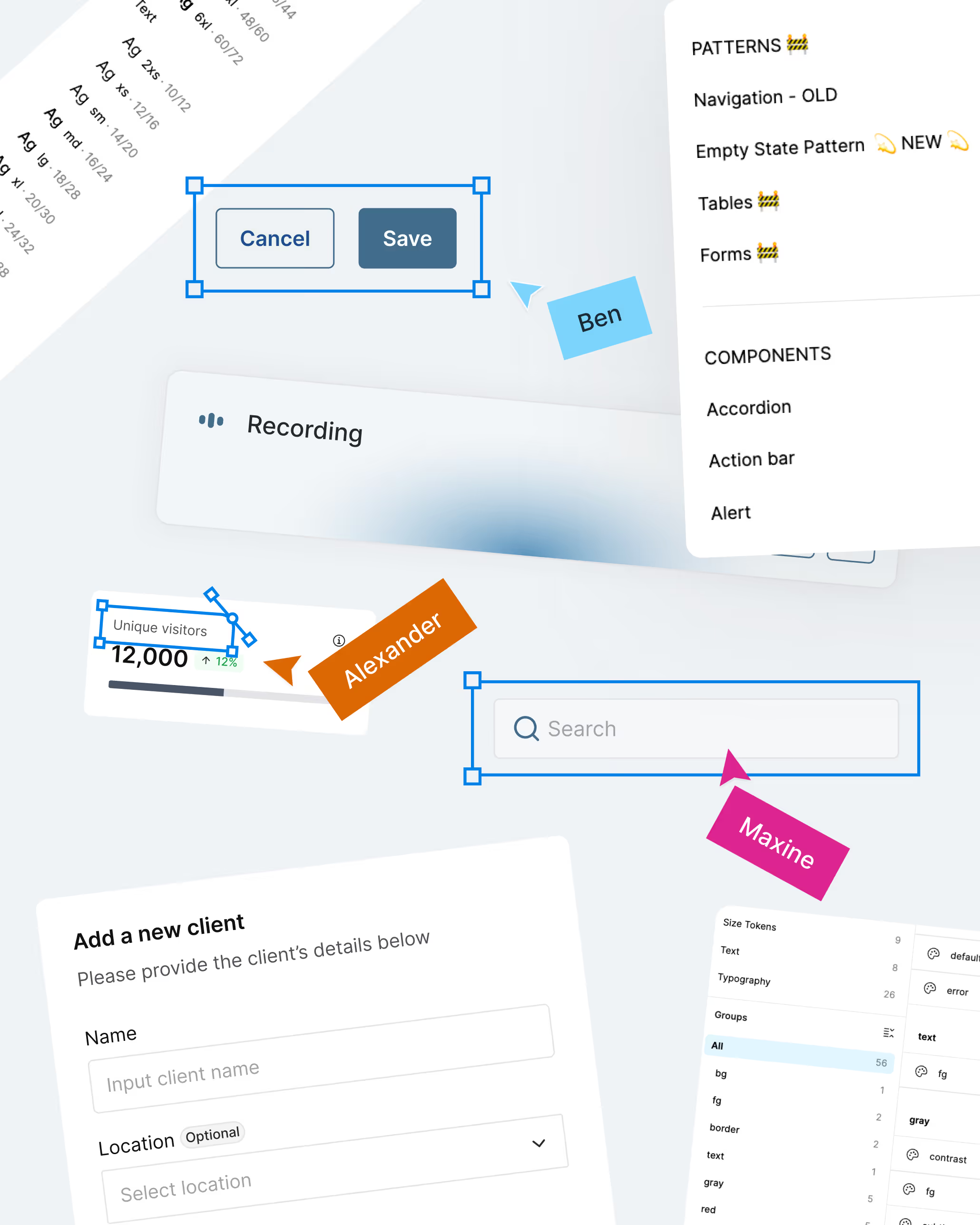
Built 50-component library with tokenised foundations
Pitch materials
Audience framing
02
Governance Model that scales
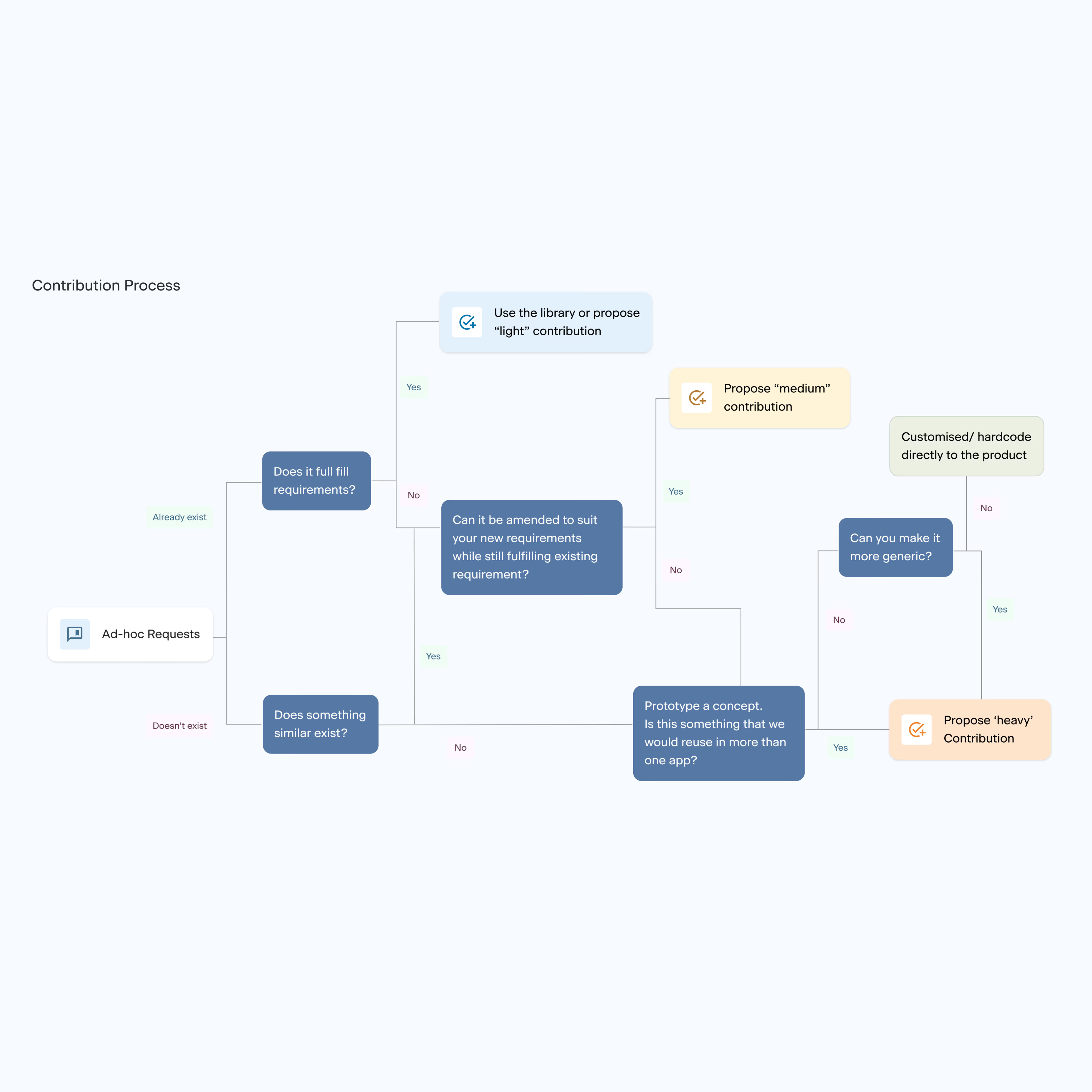
We introduce the governance model with a clear exception framework to provide authority over what exceptions are accepted and how conflicts are resolved, to ensure consistent decision making, quality, and accountability when multiple agencies work on a shared design system.
Implemented usage audits across products
Developed Exception Framework balancing standards with flexibility
Created 3-4 week component prioritisation pipeline

03
Strategic Migration
Result: 35% → 2% custom components
Executed low-risk pilot to validate approach
Migrated an essential product as showcase
Delivered UX improvements during migration
04
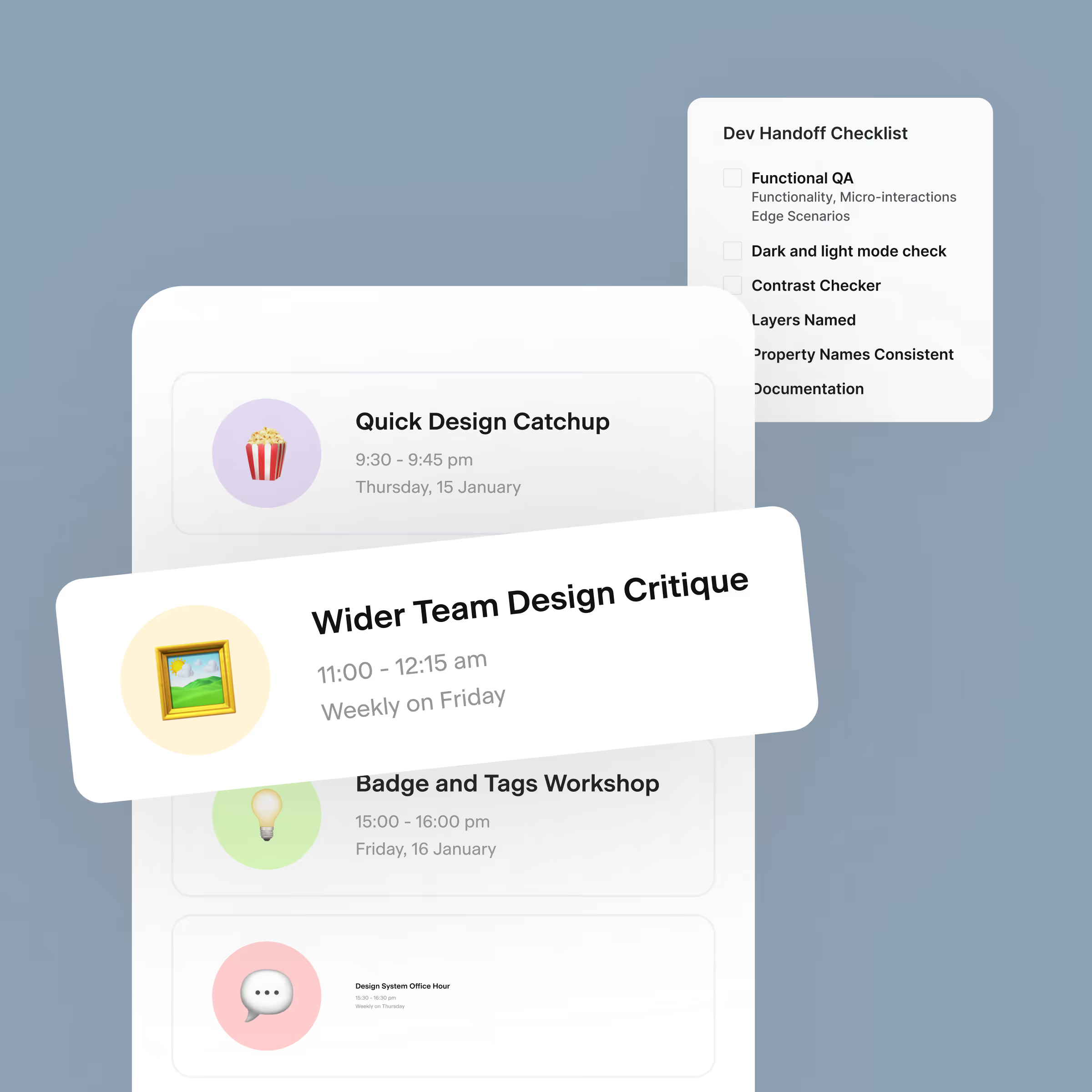
Enablement
Transformed siloed agencies into collaborative community
8 products migrated/in-progress within the engagement period
Established self-managing processes
Results & Feedback
94%
Reduction in custom component development
Self-sustaining operations
No ongoing vendor dependency
40-60% reduction
in design-to-development time
Zero production disruptions
during migration
Related projects
view all work 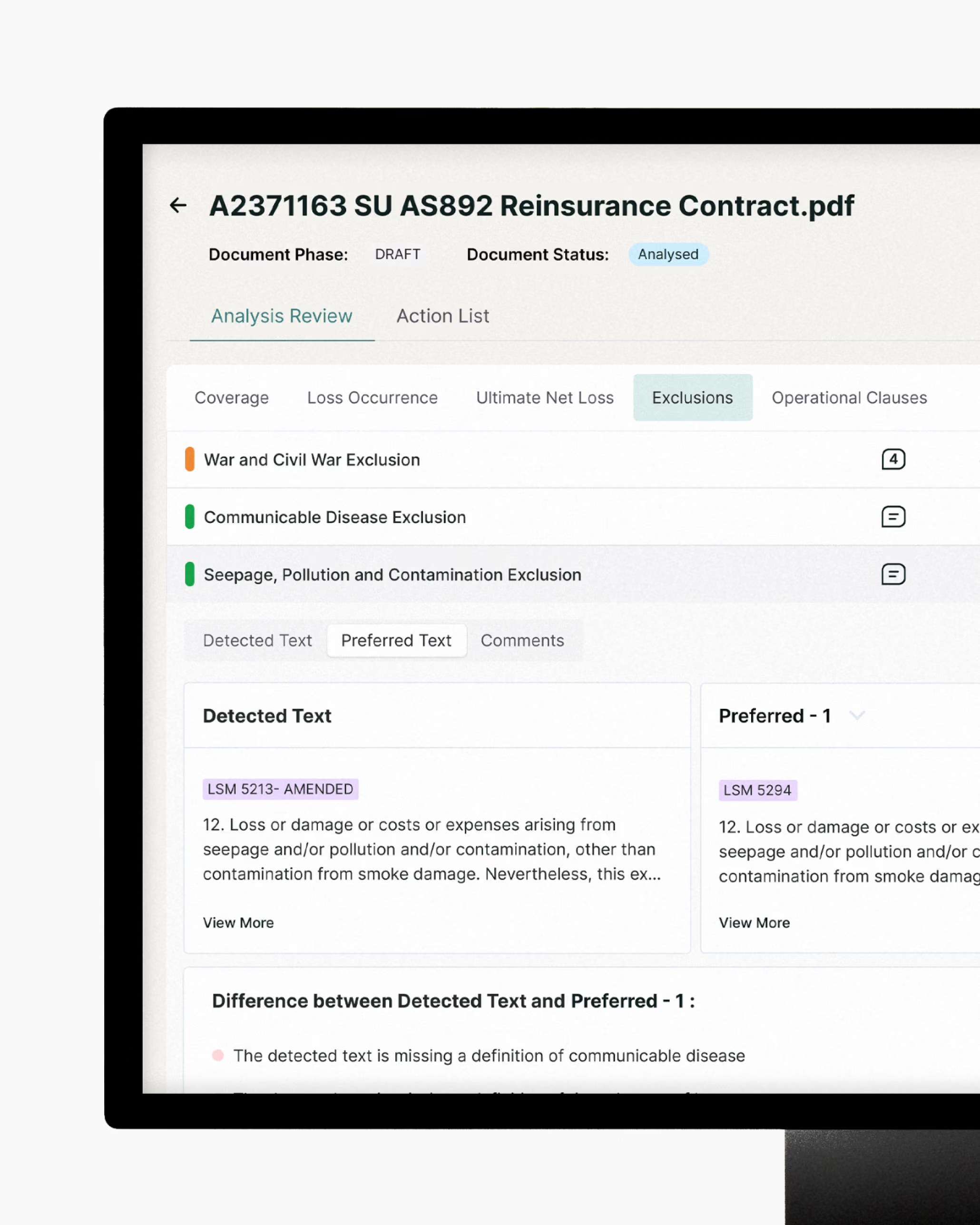
AI Contract Analysis
End-to-End Leadership in Building and Scaling a Design System
Insurance Workbench
End-to-End Leadership in Building and Scaling a Design System